DC Davenport Commercial CaulkingDavenport, IA
Davenport, IA

Commercial Caulking & Joint Sealant in Davenport

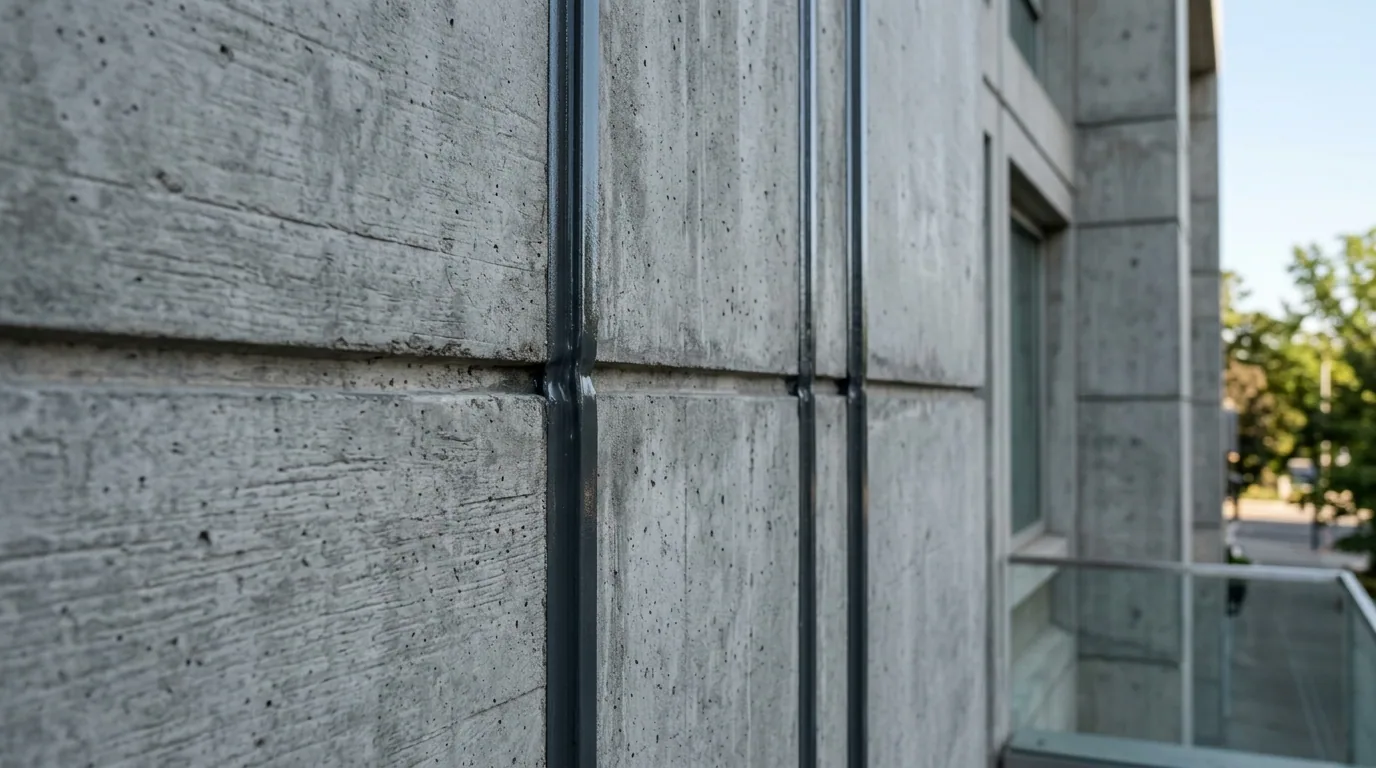
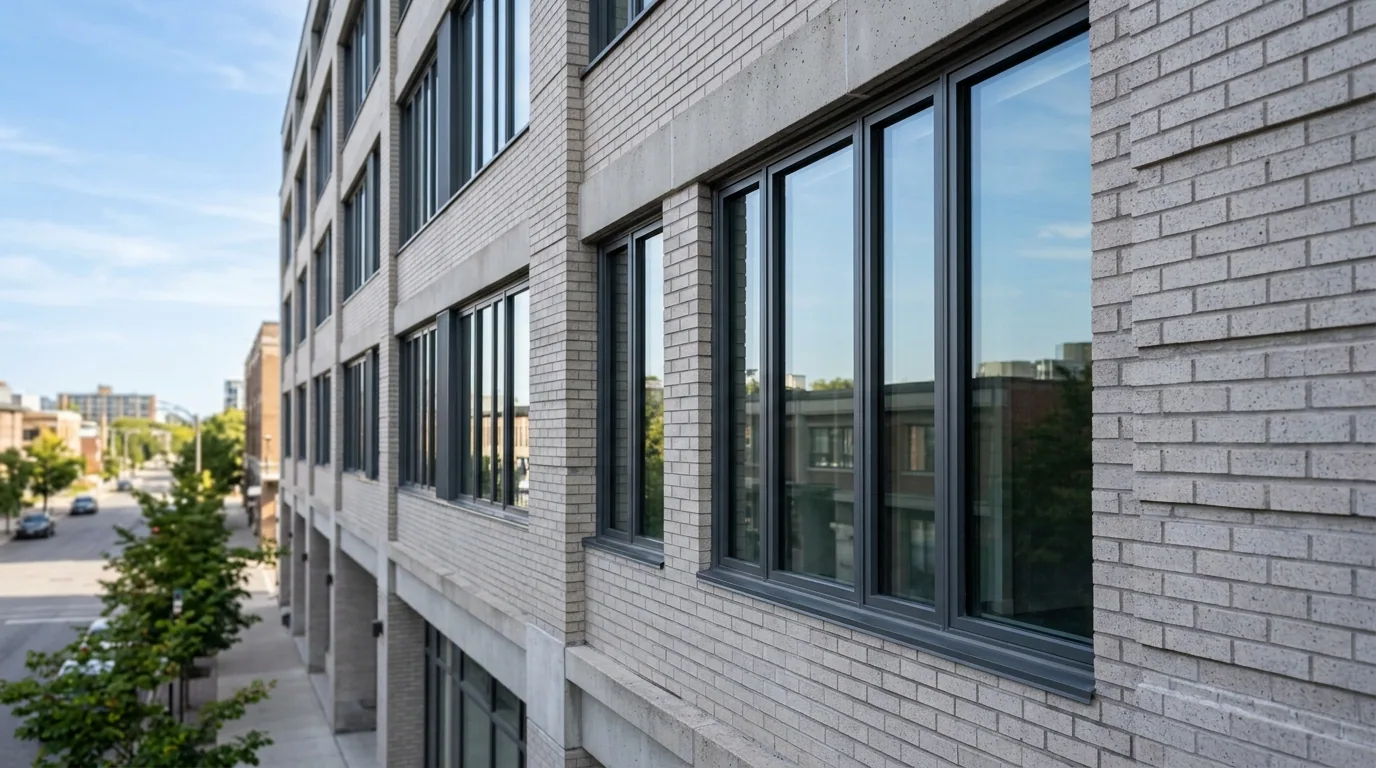
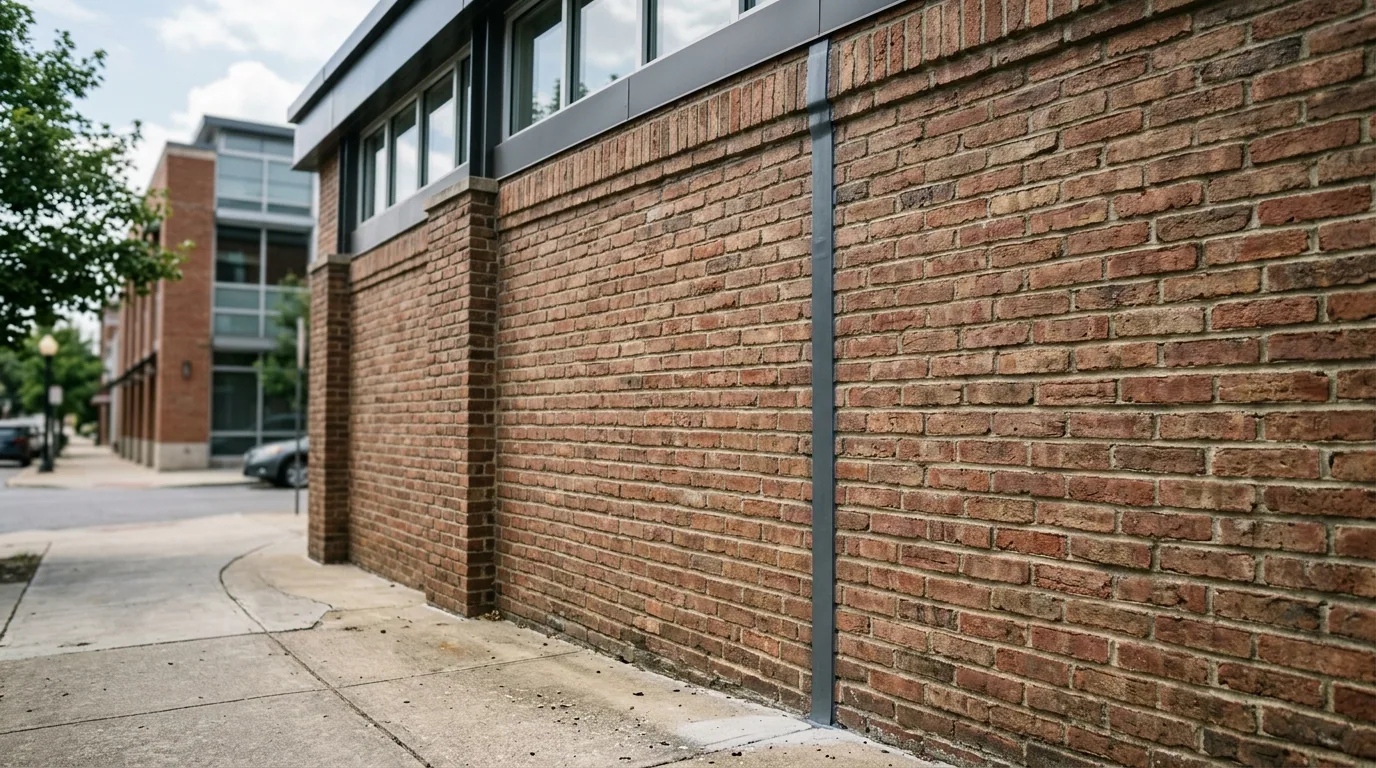
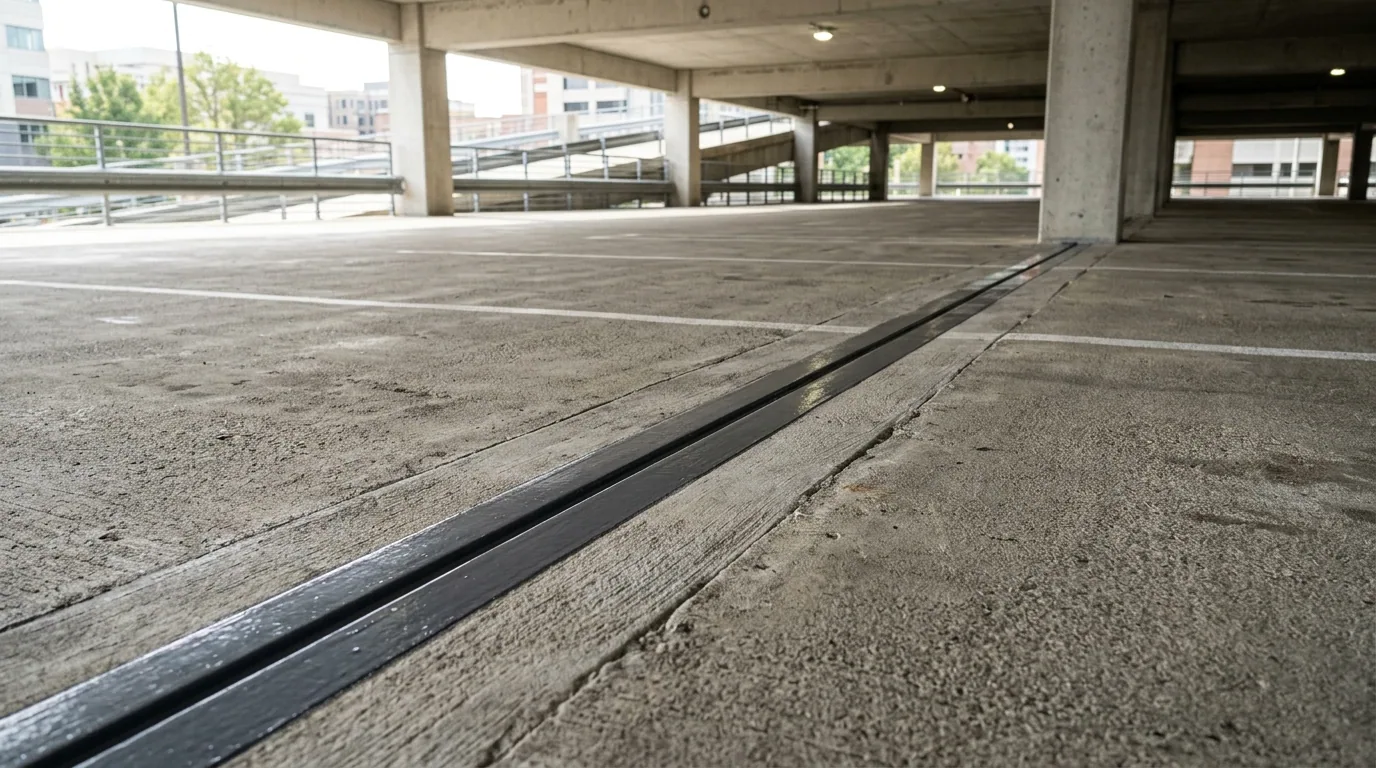
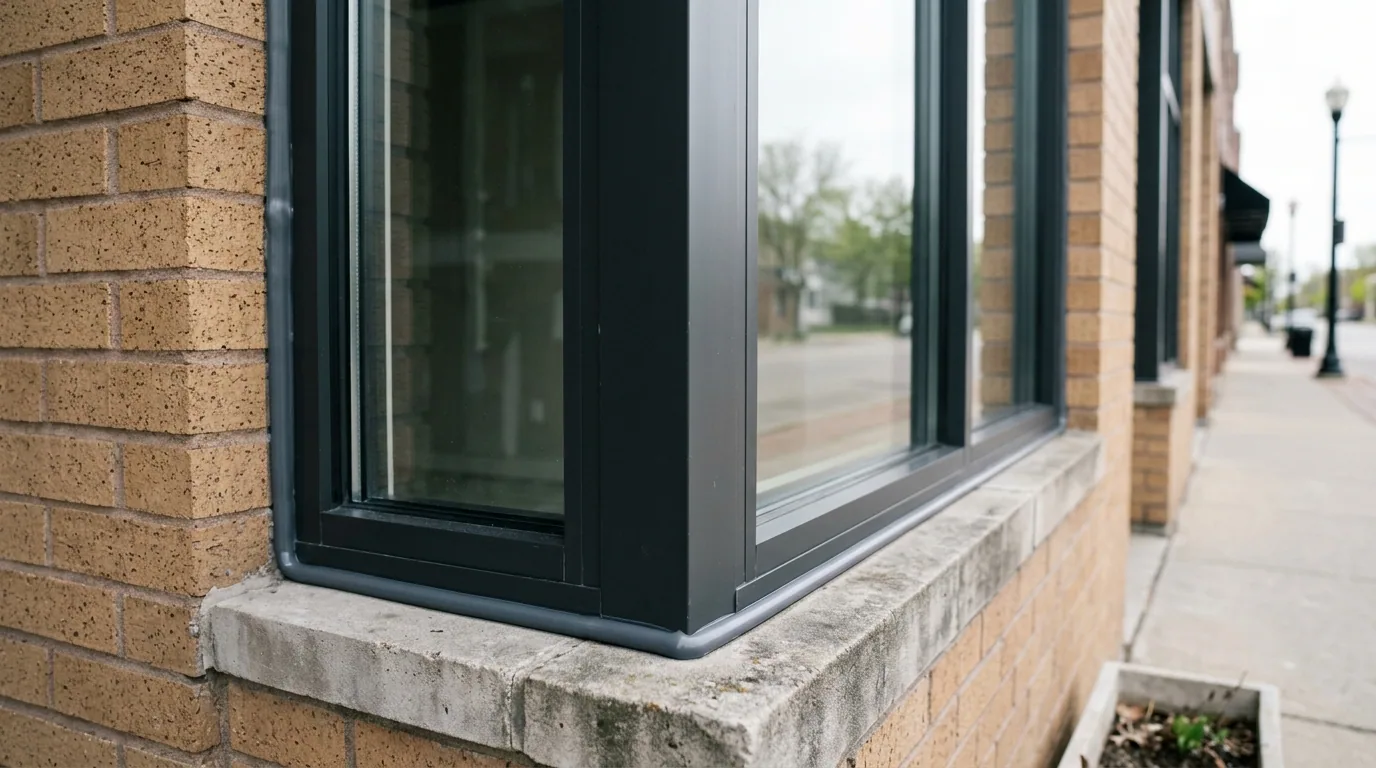
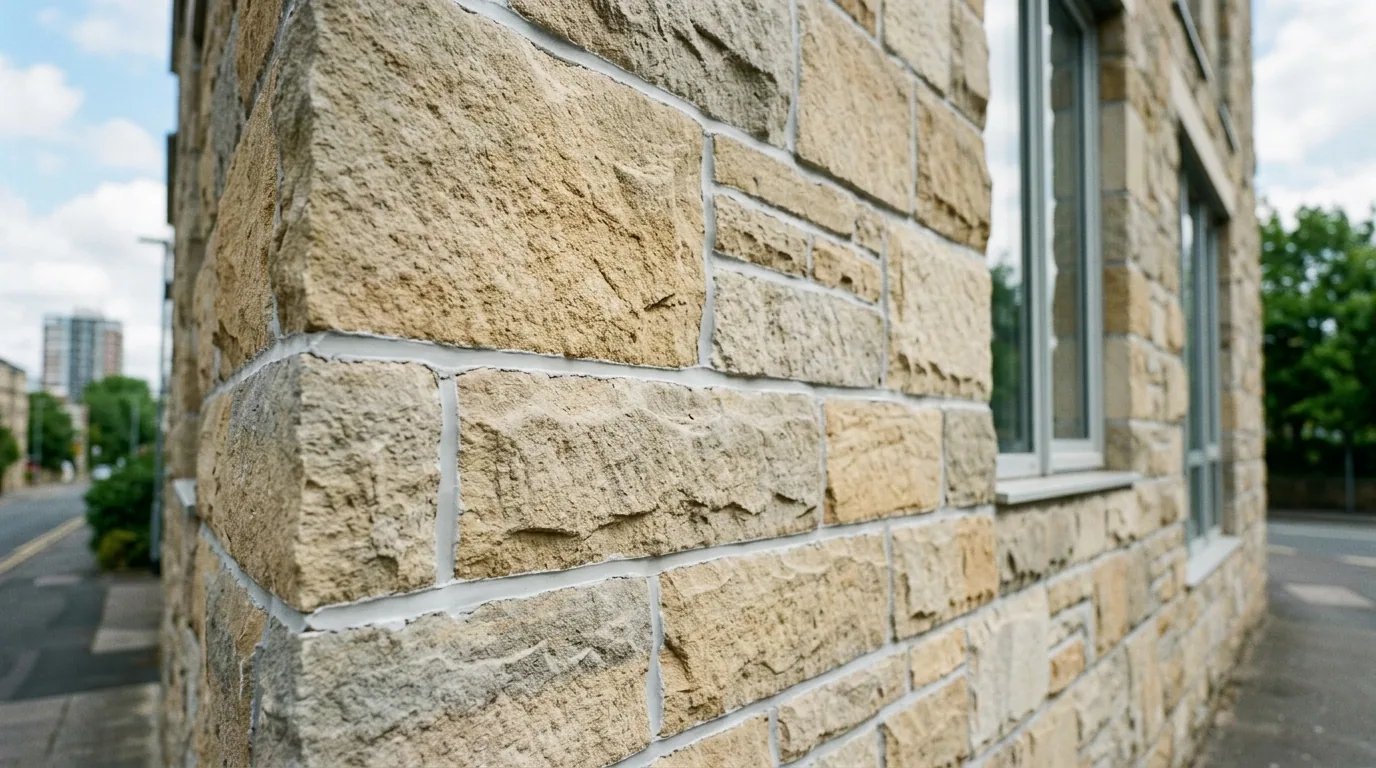
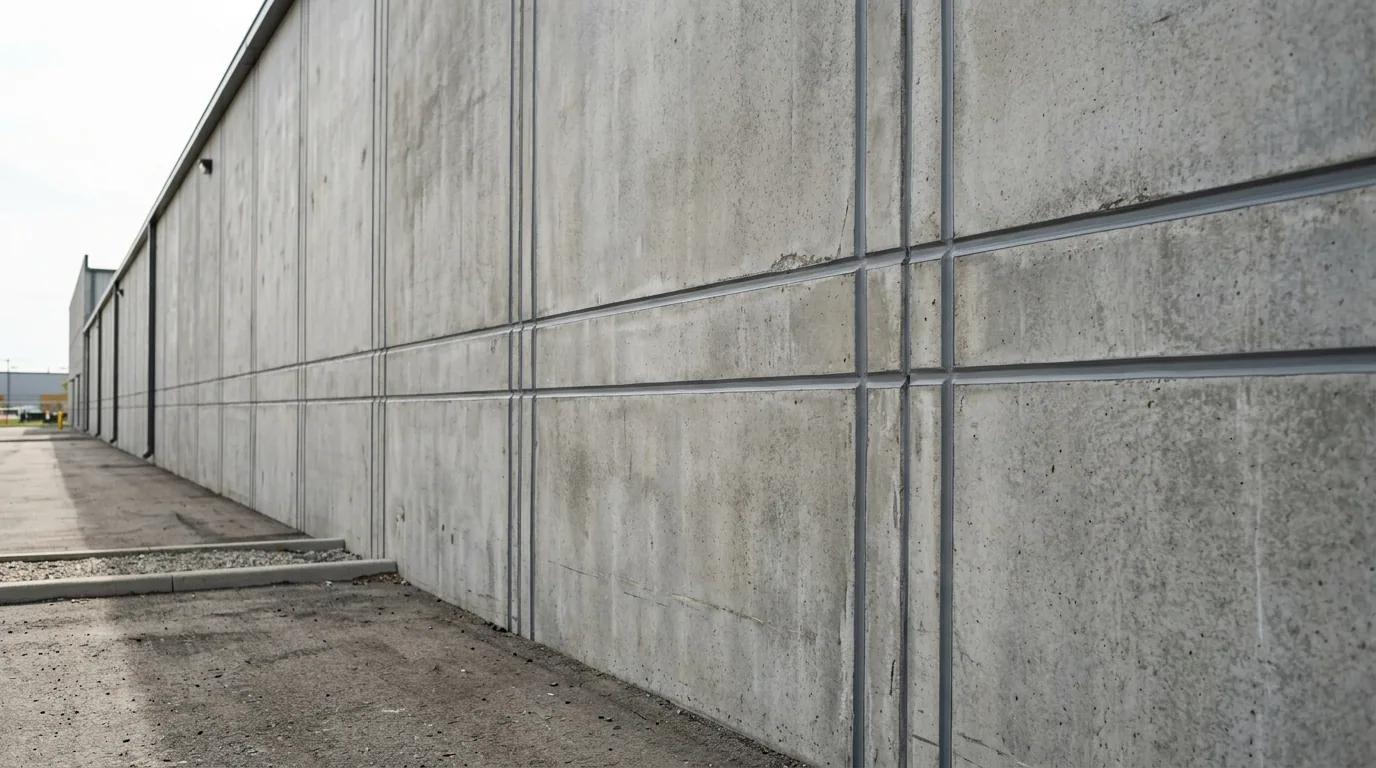
Replacement of failed exterior joint sealants on commercial buildings: precast and panel joints, window and curtain wall perimeters, expansion joints, and control joints in masonry. The building envelope work that stops water before it reaches interiors.

We are still finalising the local company for this trade. Send your project and we will route it as soon as that is set.

Get a quote on your project

Tell us what you need. We pass it to the local company we work with, usually the same business day.

Give us a phone number or an email so someone can reach you. By sending this you agree we may share it with the local company that does this work so they can contact you about the project. We do not sell your information. Not for emergencies — call 911.

The short version

Commercial Caulking & Joint Sealant, explained

Joint sealant is a wear item with a service life, not a permanent part of the building. Polyurethane typically gives seven to ten years outdoors; high-performance silicone commonly reaches fifteen to twenty. When it goes, water enters at the joint and travels, so the interior stain is rarely under the failure. That gap between where water gets in and where it shows up is why sealant work starts with a survey rather than a tube of caulk.

Most of the cost is access and removal, not material. Getting a mechanic to a joint eight floors up on a swing stage or boom is the expensive part, and cutting the old sealant out cleanly takes longer than gunning the new one in. That economics has a practical consequence for a building owner: once rigging is up, doing the full elevation costs much less per foot than coming back next year for the joints that were left.

Commercial Caulking & Joint Sealant — typical work profile.

Joint survey and testing

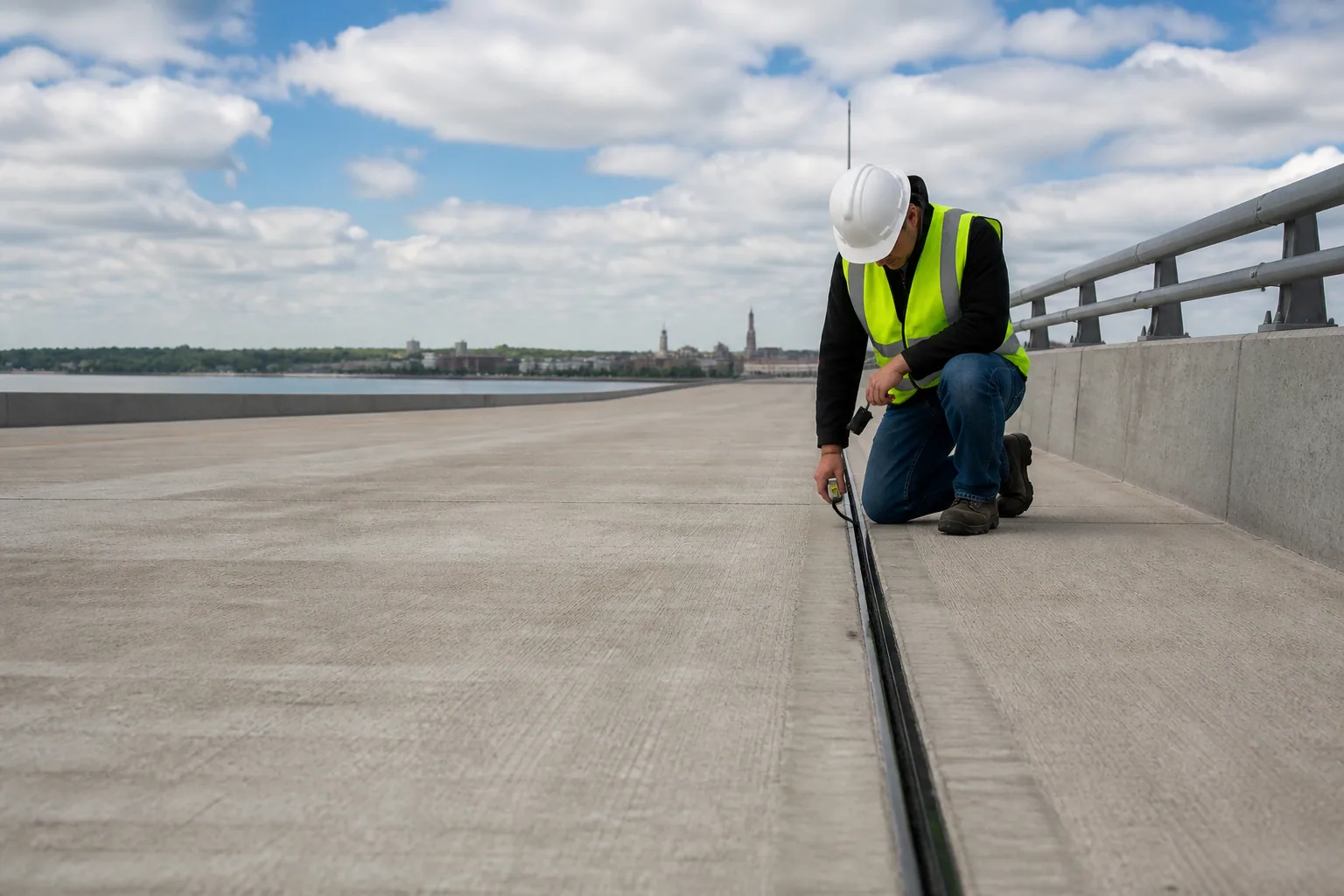
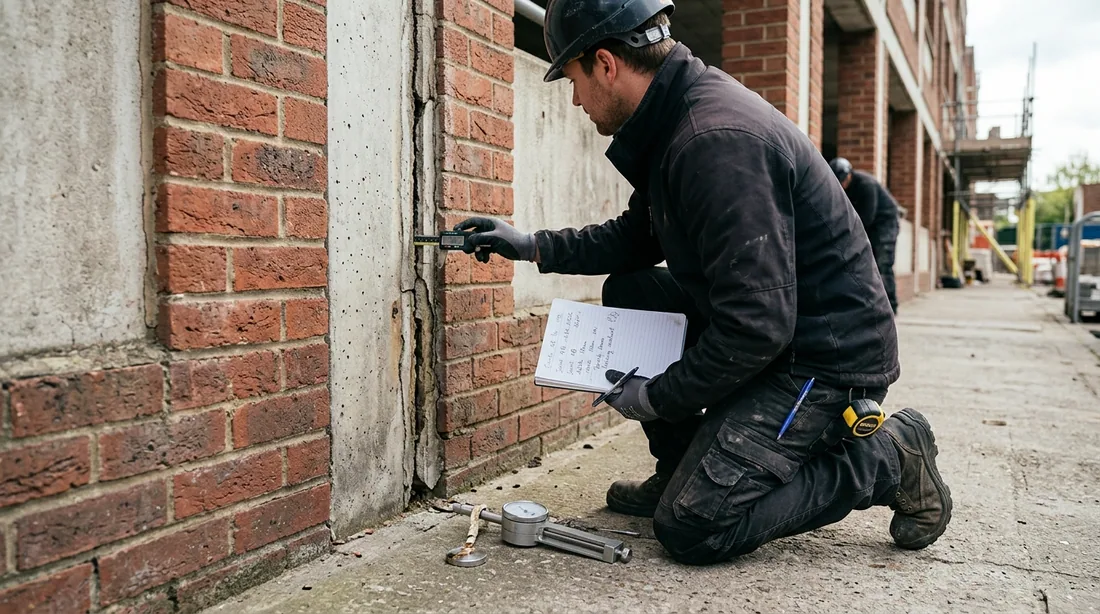
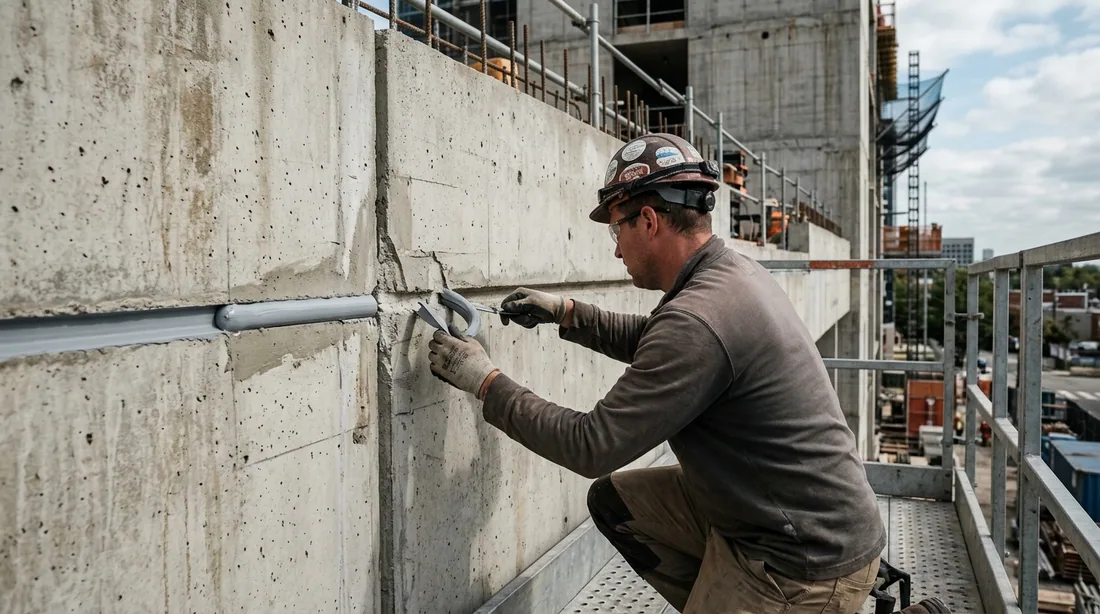
Elevations walked or dropped, joint types and widths recorded, and adhesion pull tests done on the existing sealant. This determines which joints are failing and what the replacement product has to bond to.

Full removal of old sealant

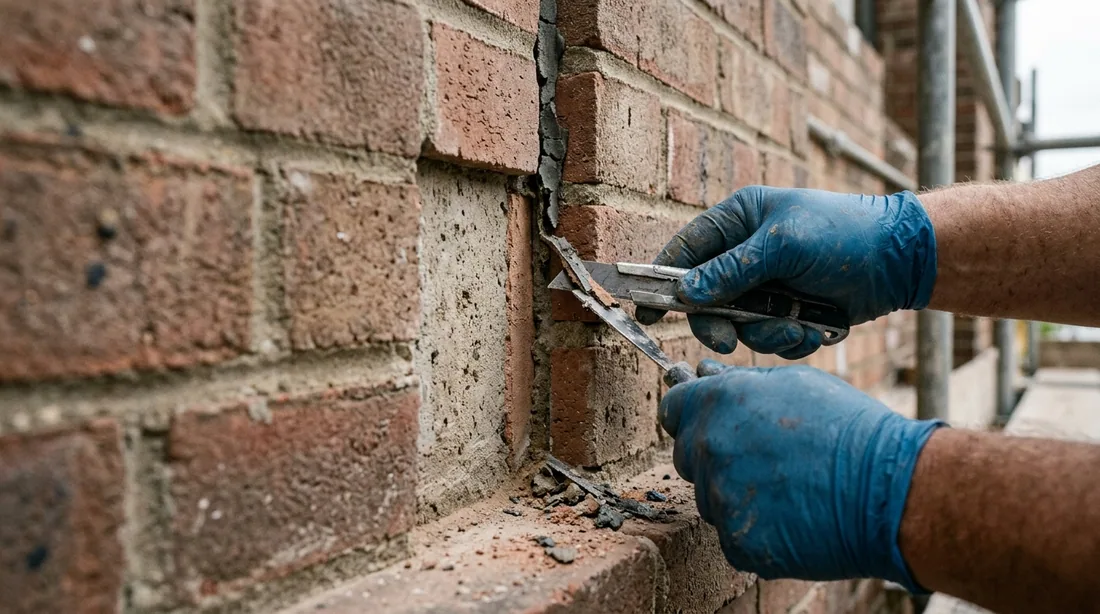
Existing sealant cut out to the substrate on both faces and the joint cleaned. Residue left behind is the most common cause of a new sealant failing early.

Backer rod and bond breaker

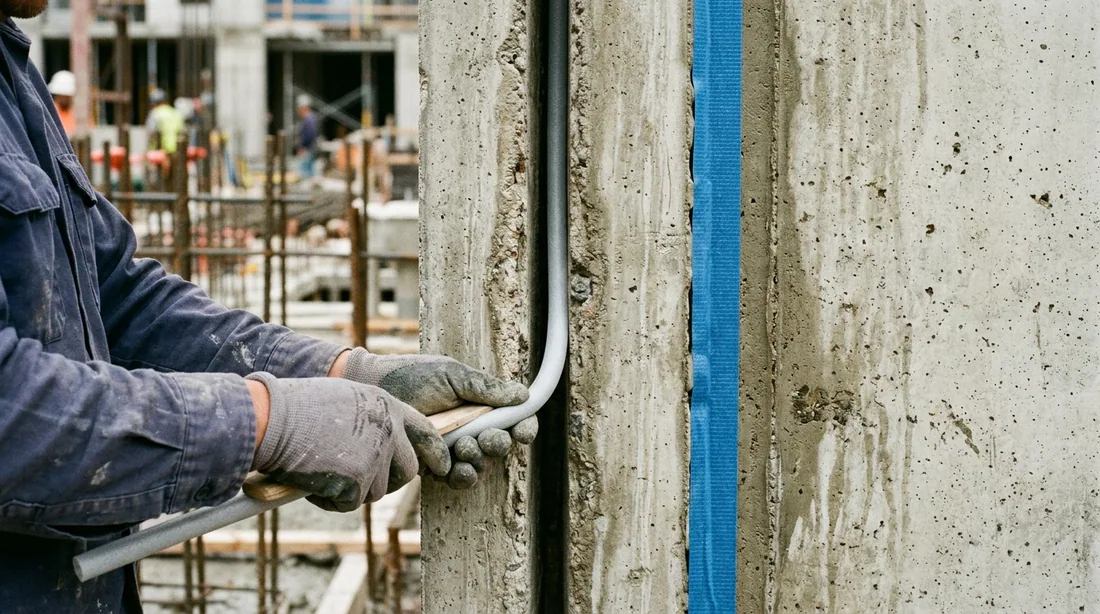
Closed-cell or open-cell rod installed to set joint depth and prevent the sealant bonding to the back of the joint. Bond breaker tape used where the joint is too shallow for rod.

Priming and sealant installation

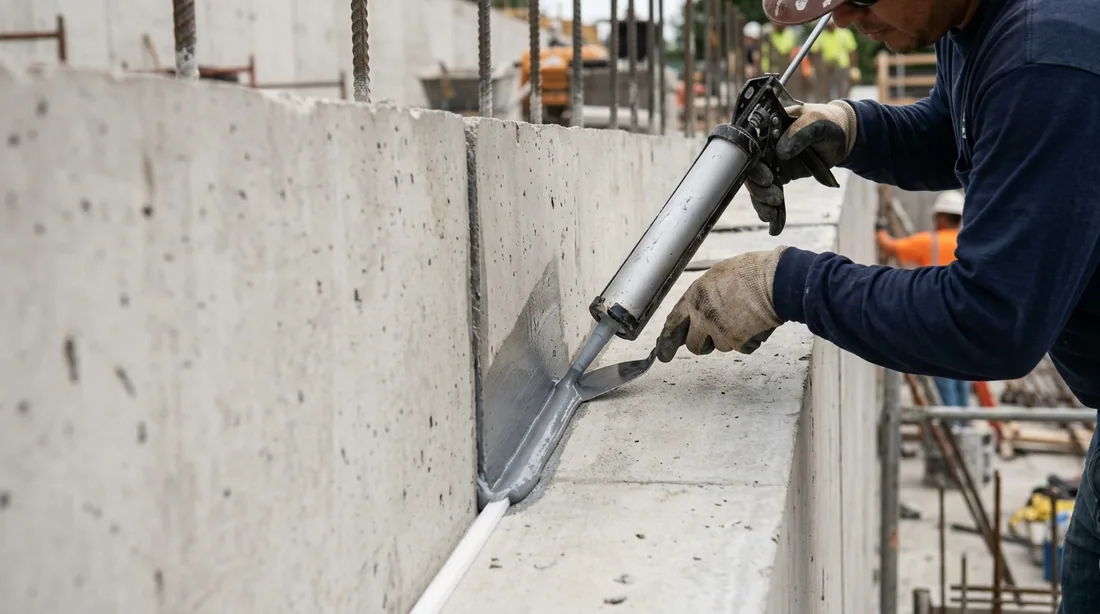
Substrate primed where the manufacturer requires it, then sealant gunned and tooled in one pass to full contact on both faces at the specified width-to-depth ratio.

Adhesion mock-up and field testing

A test section installed and pull-tested before the full run, then spot tests during the work. This is standard on specified projects and worth requesting on any large elevation.

Water testing and leak tracing

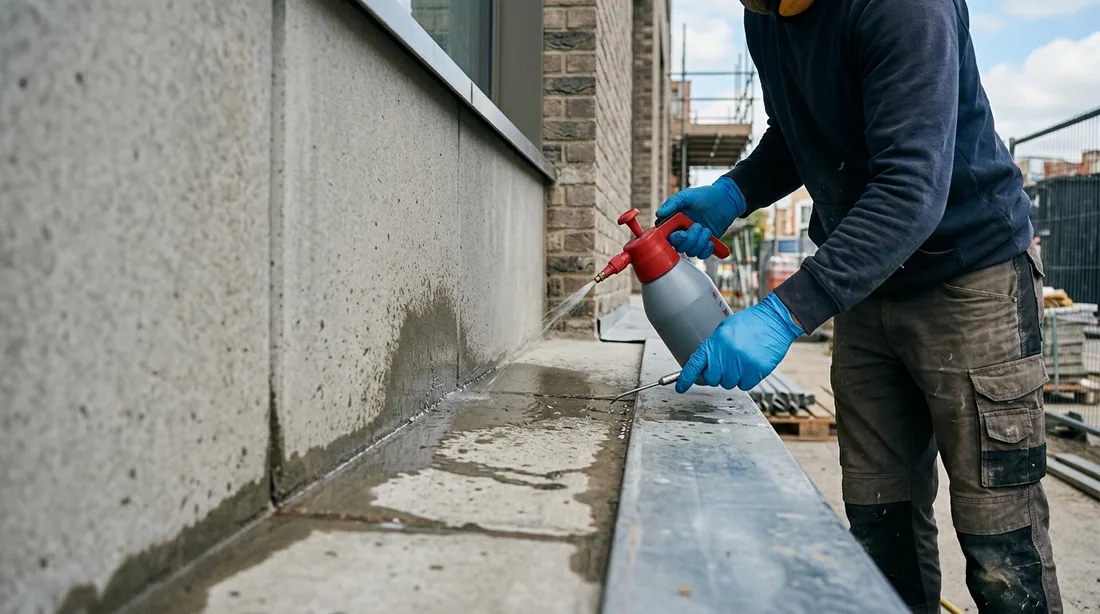
Spray testing suspect areas to confirm the leak path before and after work. Necessary when the complaint is an interior leak rather than visibly failed joints.

Budgeting

What it costs

Per-foot rates assume reachable joints and normal removal. Rigging, swing stage or boom rental, mobilization, sidewalk protection, and permits are usually separate line items and on a tall building can exceed the sealant work itself. Published sources vary widely because they assume different access, so treat these as a budget frame. A real number comes after a joint survey and adhesion testing. Typical values are interpolated between published low and high figures.

$4$9$14$18Interior joints, door and window frames$3–$8Exterior wall joint sealant replacement$4–$12Waterproofing and fire-rated joints$6–$18Expansion joints$7–$18Window perimeter, elevated access$10–$16most projects land here
Typical ranges, per linear foot of joint (cut out old sealant, prep, backer rod, new sealant). The dot marks where most projects land; the bar is the full spread we found. These are planning figures, not a quote.
ScopeTypical rangeMost common
Interior joints, door and window frames$3 – $8$5
Exterior wall joint sealant replacement$4 – $12$8
Waterproofing and fire-rated joints$6 – $18$12
Expansion joints$7 – $18$14
Window perimeter, elevated access$10 – $16$13

Ranges compiled from WCP Building Renewal - Caulking Replacement: What It Costs Per Linear Foot (July 2025), Commercial Caulking Service Pros - Commercial Caulking Costs and Pricing. Reviewed 2026-07-18.

Davenport specifics

What is different about this work in Davenport

Local climate and building stock change how this job is specified. These figures come from the Census Bureau and NOAA climate normals for Davenport.

  • With roughly 83.9 freeze-thaw cycles a year, water sitting behind a joint that has let go on one face expands inside the substrate, so failures here tend to take masonry and precast edges with them rather than staying a sealant problem.
  • Most joint sealants have a minimum application temperature near 40 degrees, so with January lows around 14.3 degrees, cold-season work needs a low-temperature-rated product and dry, frost-free joints, not just a warm afternoon in the forecast.
  • Joints are at their narrowest when the wall is hottest, so sealant tooled on a 85.8 degree day is installed at minimum width and will be stretched hardest in midwinter, which is why movement capability matters more here than tube price.

More on local conditions →

Scoping

Do you actually need this done?

The most expensive mistake is paying for the wrong scope. Here is how the usual symptoms sort out.

What you are seeing, and what it usually meansSealant pulledcleanly off onejoint faceAdhesion failure;usually bad prep ormissing primerSealant split downthe middle of thejointCohesive failure;product movementcapability was toolowDark stainingrunning belowjoints on stonePlasticizermigration from thewrong siliconeformulationInterior stains atwindow heads afterwind-driven rainPerimeter sealbreached above;water is travelingbefore showing
Common starting points. An on-site look is what settles it.

Process

How the job runs

  1. Survey and product selection

    Joints inspected and measured, substrates identified, and adhesion tested. Product is selected for movement capability and substrate compatibility, not for what is on the truck.

  2. Mock-up and approval

    A sample run installed, cured, and hand pull-tested to confirm adhesion and primer requirements. Color is approved against the wall in daylight since cured color differs from the tube.

  3. Access setup and protection

    Lift, stage, or rope access rigged, and sidewalks, glass, and landscaping protected. Tenants near the work get notice, particularly where windows must stay closed.

  4. Cut out and clean

    Old sealant removed to sound substrate on both faces, joints cleaned by grinding or a two-cloth solvent wipe, and dust blown out. Joints are sealed the same day they are prepped.

  5. Rod, prime, gun, and tool

    Backer rod set to depth, primer applied where required, sealant gunned and tooled to full contact on both joint faces. Tooling is what forces the hourglass profile that lets the joint move.

  6. Cure, test, and close out

    Sealant cures for the product's stated period, then spot adhesion checks and any water testing. Close-out should include product data sheets, warranty documents, and a marked-up elevation of what was replaced.

Common questions

Questions people ask

How often does commercial caulking need to be replaced?

It depends on the product. Standard polyurethane joint sealant typically gives seven to ten years in exterior service. High-performance silicone commonly reaches fifteen to twenty. Exposure matters: south and west elevations and joints in full sun fail first. Rather than replacing on a calendar, most owners survey the envelope every few years and act when adhesion testing shows joints letting go.

How much does it cost to recaulk a commercial building?

Published per-foot rates run roughly $4 to $12 for exterior wall joint replacement, $7 to $18 for expansion joints, and $10 to $16 for window perimeters at elevated access. Total cost depends far more on access than on footage: rigging a swing stage or renting a boom for a tall elevation can exceed the sealant line. A real number requires a joint survey.

Can you caulk over old caulk?

Not on exterior joints that matter. New sealant can only be as sound as what it bonds to, and old sealant that is failing takes the new layer with it. Proper replacement means cutting the old material out to the substrate on both joint faces and cleaning the surfaces. Anyone quoting a caulk-over on a building envelope is quoting a short-term cosmetic fix.

Silicone or polyurethane for building joints?

Silicone handles more movement, resists sunlight far better, and lasts longer, which is why it dominates high-movement and glazing perimeter joints. Polyurethane is paintable, less prone to staining porous stone, and cheaper. Choice comes down to expected joint movement, substrate, whether the joint gets painted, and whether staining is a risk. A survey should name the product and the reason.

Why did my new caulking fail so fast?

Usually one of four things: the old sealant was not fully removed, the substrate was not cleaned or primed, no backer rod was used so the sealant bonded on three sides and could not stretch, or a product with too little movement capability was chosen for the joint. All four look identical on day one, which is why adhesion mock-ups and pull testing exist.

Full detail on how this work is done →

Next step

Get a real number for your project

Ranges only go so far. Someone has to look at the actual job.

What this site is

Davenport Commercial Caulking is a referral site, not a contractor. We do not hold a license, own a truck, or send a crew. We research commercial caulking pricing and practice, publish what we find, and hand your request to a vetted local company in Davenport.

That company quotes, schedules, and stands behind its own work, and it contracts with you directly. We do not mark up the price, and you pay us nothing.

Send your project details

Goes to the local company that does this work.

Give us a phone number or an email so someone can reach you. By sending this you agree we may share it with the local company that does this work so they can contact you about the project. We do not sell your information. Not for emergencies — call 911.

Request a quote